Adaptive Place Toolkit
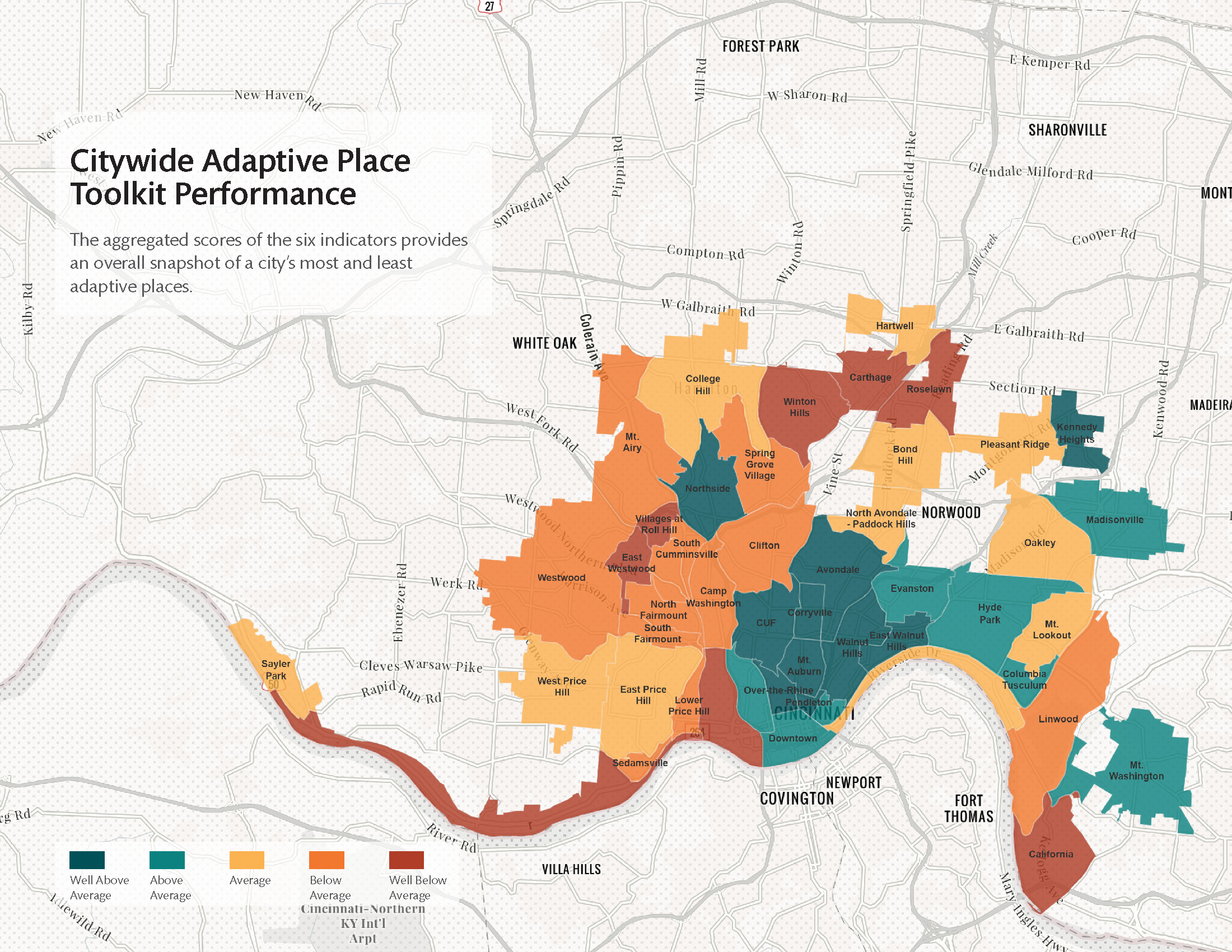
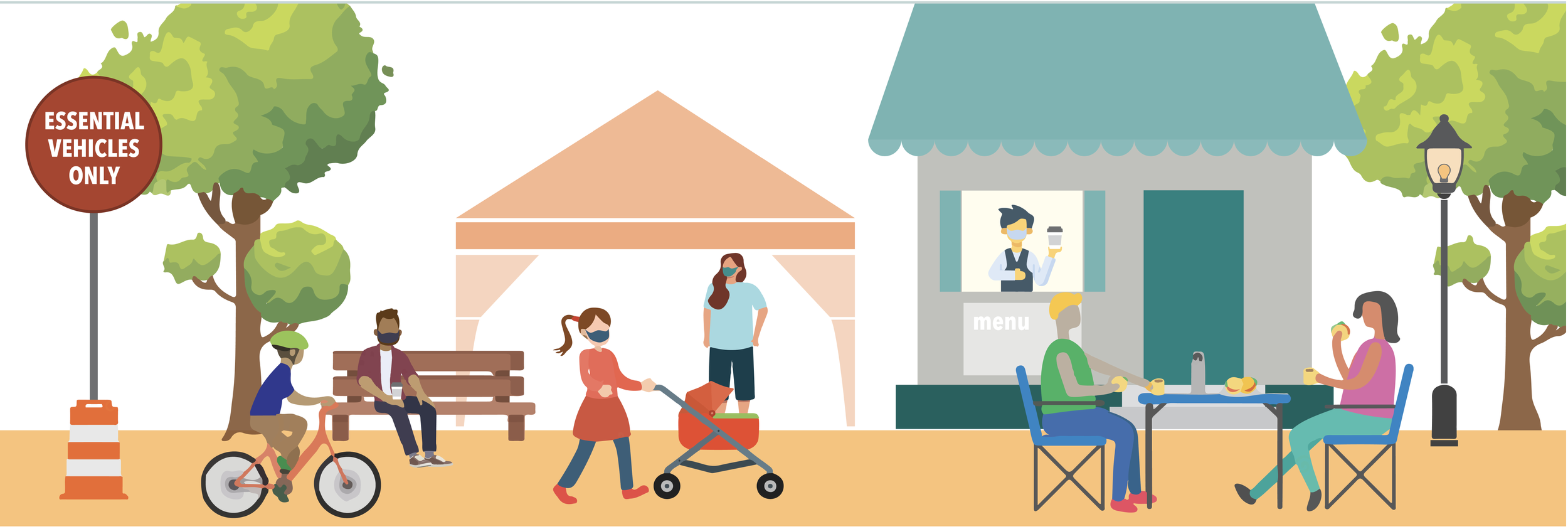
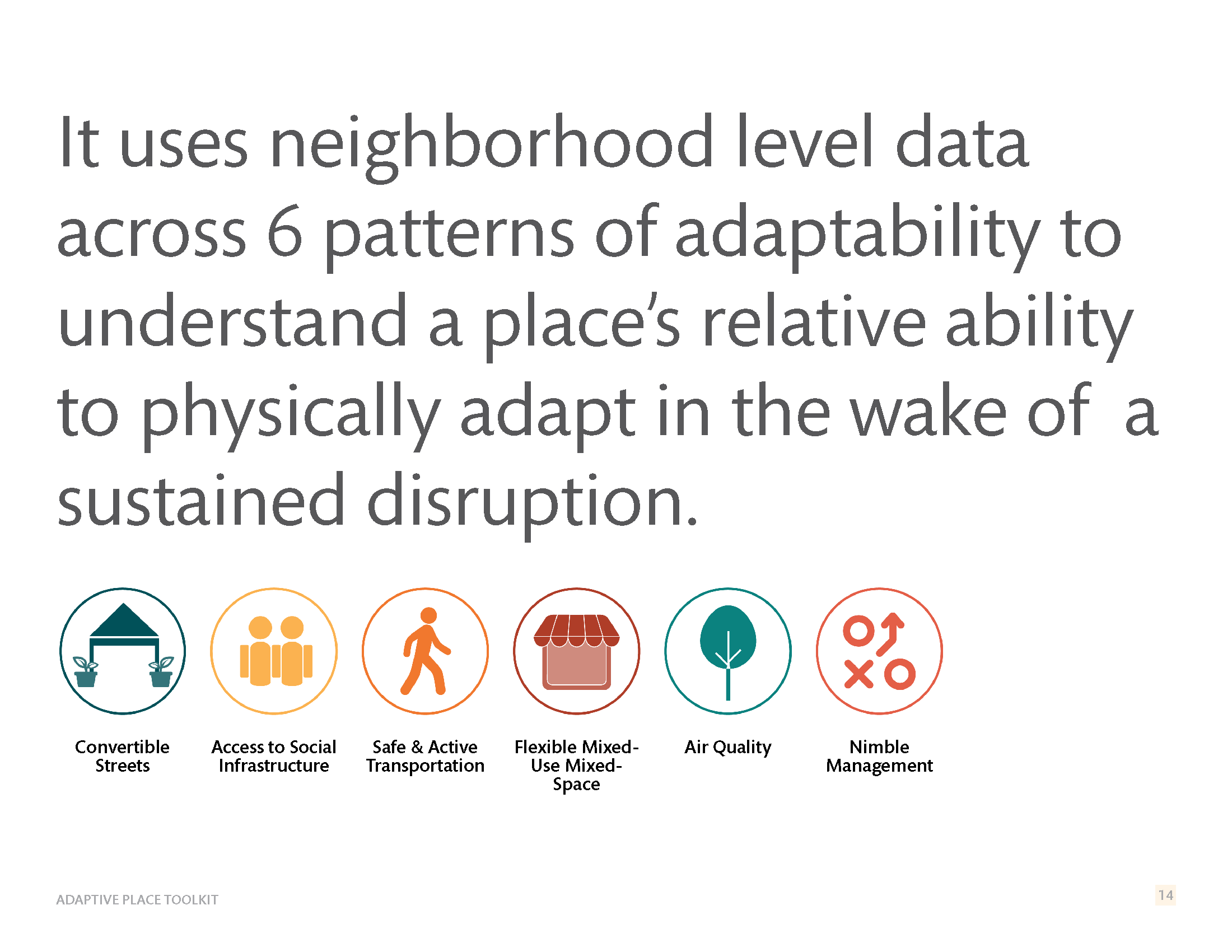
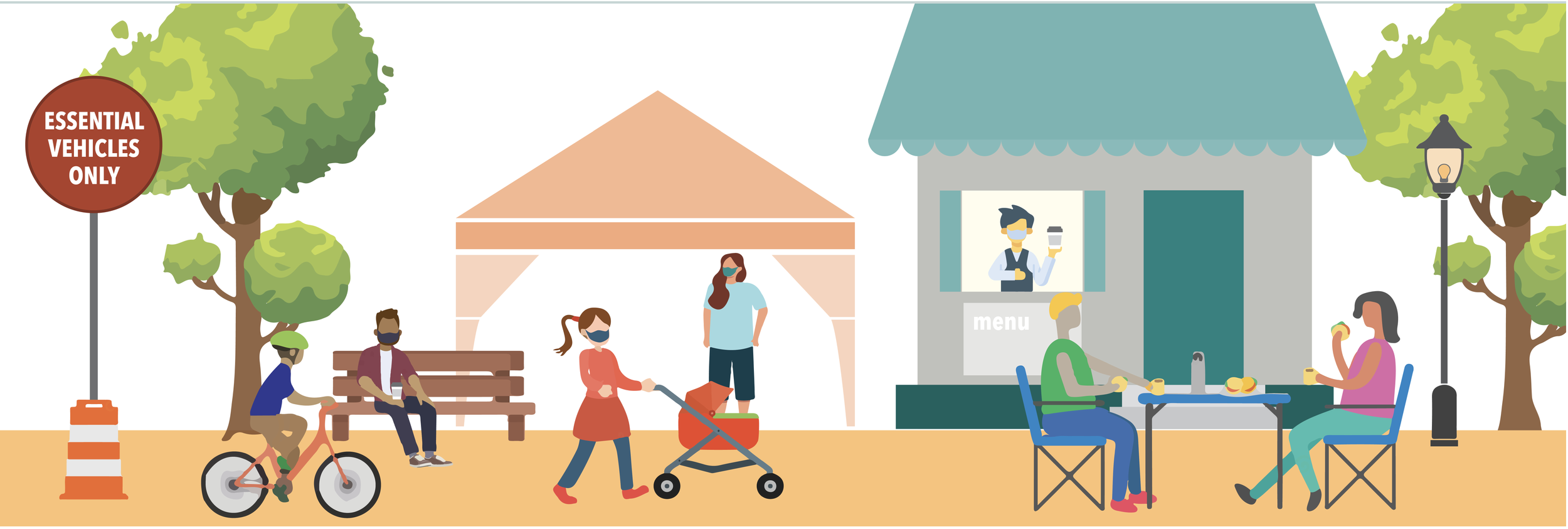
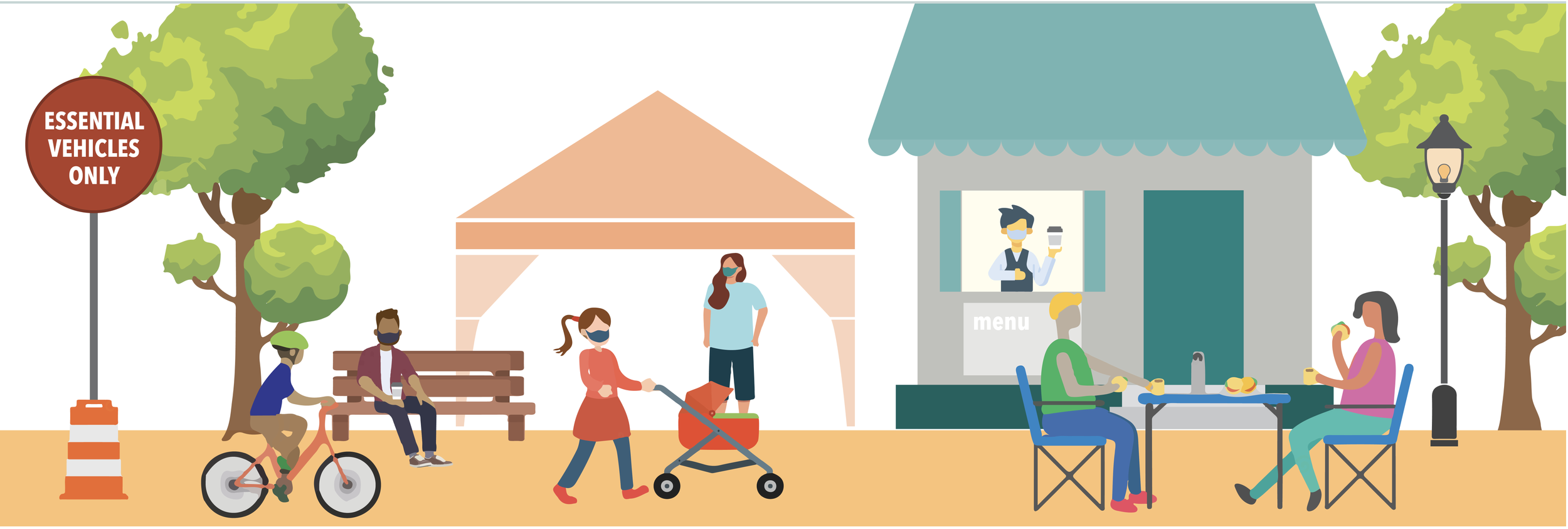
Created in a partnership between The University of Notre Dame’s Kellogg Institute for International Studies and Yard & Company, the Adaptive Place Toolkit (APT) is designed to help communities be stronger and more nimble to large-scale interruptions, like the COVID-19 pandemic, and even leverage them for innovation. The APT measures the degree to which physical and social infrastructure impacts the adaptive capacity of neighborhoods to respond to major disruptions. Like people, cities and communities have pre-existing place conditions that can strengthen or weaken their ability to resist and recover from shocks. The APT was beta tested in Cincinnati, Ohio and Norfolk, Virginia. We have found that there are six broad development patterns that help places adapt: Convertible Streets, Access to Social Infrastructure, Safe & Active Transportation, Flexible Mixed-Use Mixed-Space, Air Quality and Nimble Management. Having strategies for each of these leads to: 1) A smart triage strategy to rapidly adapt during and immediately after a crisis, and 2) An adaptive, context-sensitive economic and community development program for the new normal post-pandemic
A GUIDE TO ASSESSING & ENHANCING A NEIGHBORHOOD’S ABILITY TO RESPOND TO CRISES
Services
Planning
Timeframe
2020
Location
Cincinnati, Ohio
PROBLEM
How can cities be built in a way that allows them to quickly adapt to crises like COVID-19?
SOLUTION
The Adaptive Place Toolkit (APT) is a tool that assesses a neighborhood’s ability to adapt to changes brought on by the pandemic.
ACTION
Recommend intersection modifications, traffic calming measures, parking and access improvements, and streetscape enhancements.